
Optimal Lawn Mowing Timing Guide
Lawn mowing frequency and timing are essential for maintaining healthy turf. The optimal time for mowing depends on grass growth rates, which vary with the season and weather conditions. Proper timing ensures lawns remain lush, healthy, and free from pests or disease.
Begin mowing when grass starts to grow actively, typically when it reaches about 3 inches tall. Regular mowing encourages dense growth and prevents weeds.
During warmer months, mow frequently to maintain a height of around 2.5 to 3 inches. This helps keep the turf healthy and resilient against drought.
Reduce mowing frequency as growth slows. Keep grass at a height of 2.5 inches to prepare the lawn for winter dormancy.
In regions with mild winters, mowing may be minimal or unnecessary. Avoid mowing when the ground is frozen or wet to prevent damage.
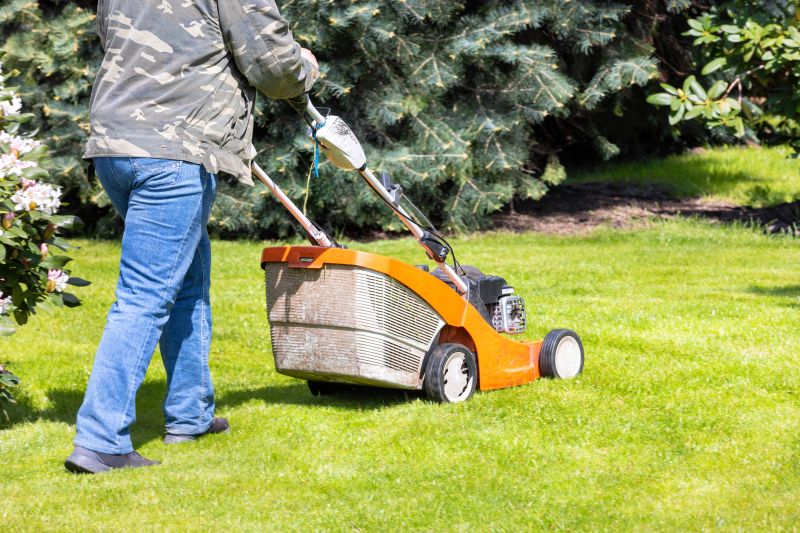
Ways to make Lawn Mowings work in tight or awkward layouts.
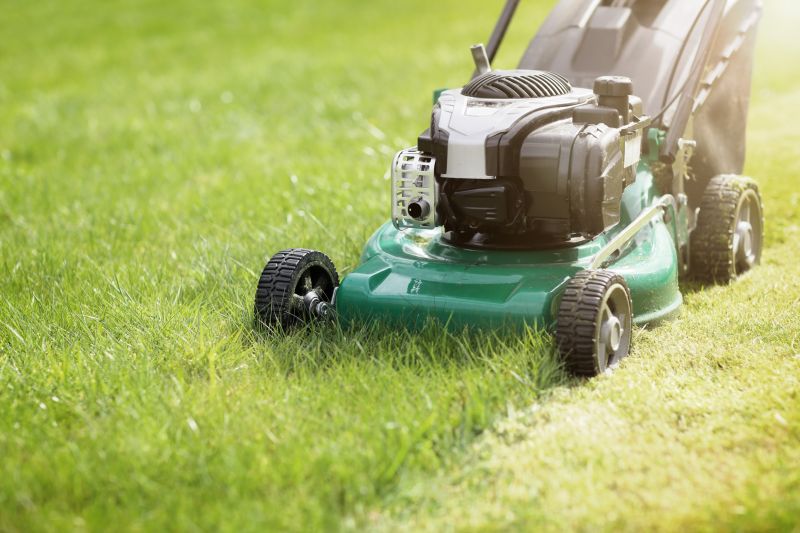
Popular materials for Lawn Mowings and why they hold up over time.
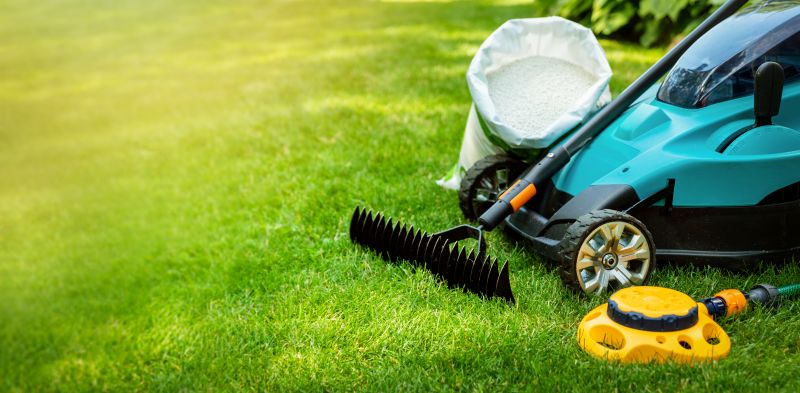
Simple add-ons that improve Lawn Mowings without blowing the budget.
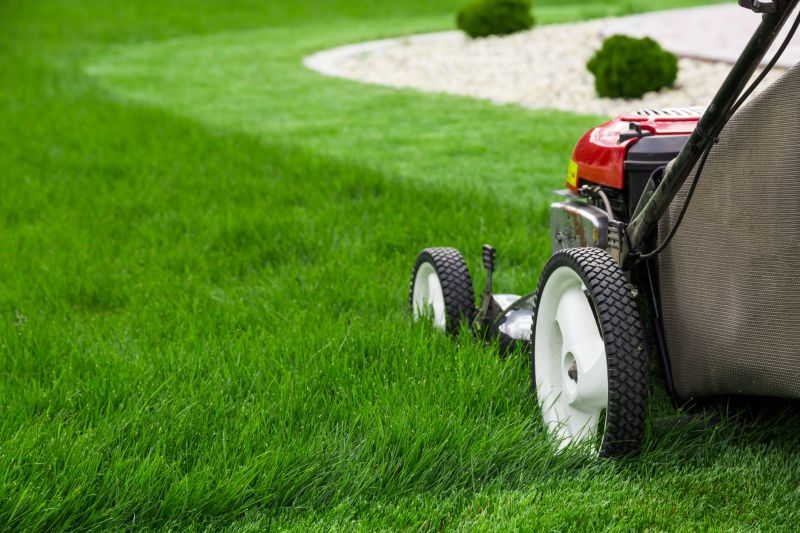
High-end options that actually feel worth it for Lawn Mowings.
| Season | Recommended Mowing Height |
|---|---|
| Spring | Around 3 inches |
| Summer | 2.5 to 3 inches |
| Fall | Approximately 2.5 inches |
| Winter | Minimal or none, if applicable |
Lawn mowing is a key component of turf maintenance, affecting grass health, appearance, and weed control. Proper mowing practices include maintaining the correct cutting height, sharpening blades regularly, and mowing at appropriate intervals based on growth rates. Cutting grass too short can weaken roots and make lawns more vulnerable to stress, while infrequent mowing can lead to thatch buildup and pest issues.
Statistics indicate that mowing frequency should match the growth rate, which varies with climate, grass type, and season. For example, during peak growing periods, lawns may need mowing once a week, whereas in slower growth periods, biweekly mowing may suffice. Maintaining a consistent mowing schedule supports optimal turf density and health.
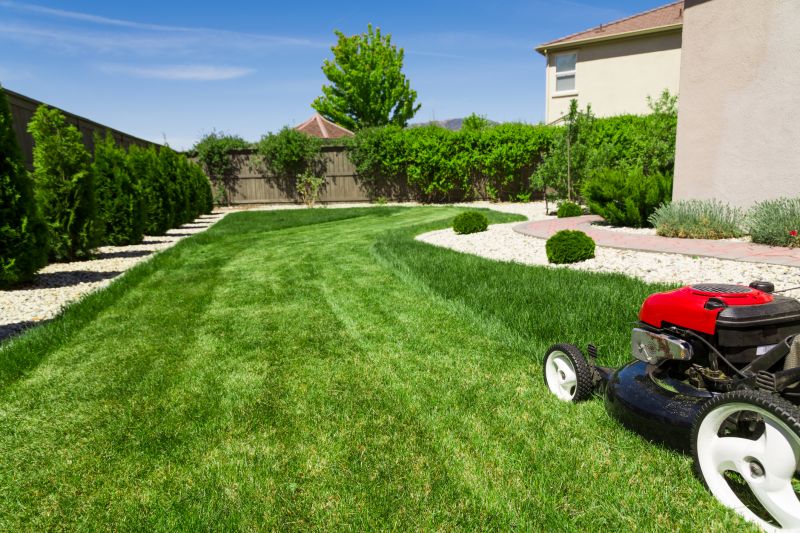
Finishes and colors that play nicely with Lawn Mowings.
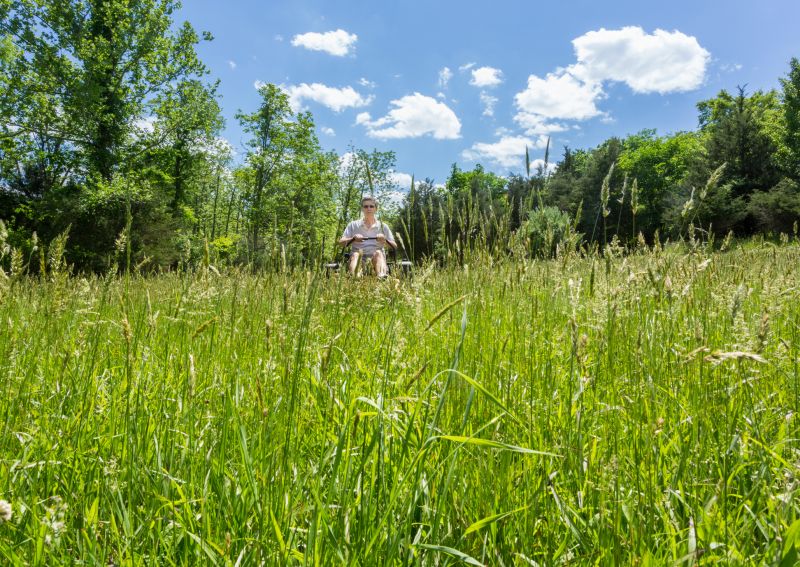
Little measurements that prevent headaches on Lawn Mowings day.
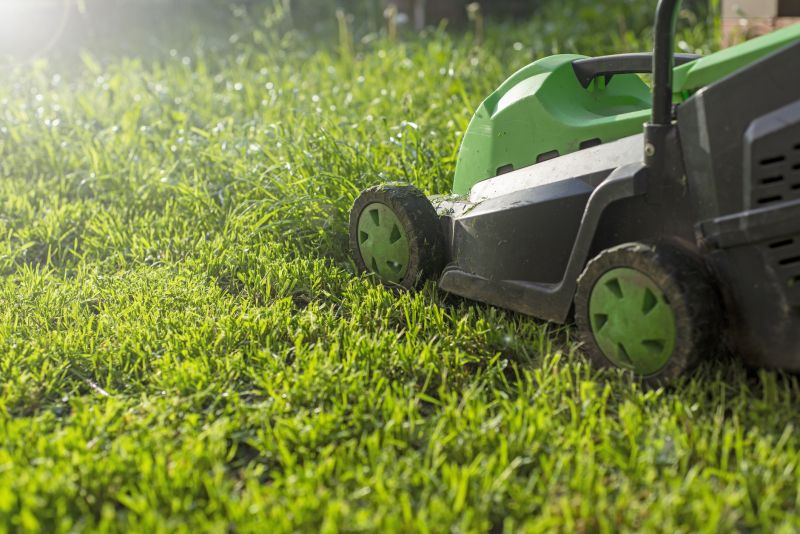
A 60-second routine that keeps Lawn Mowings looking new.
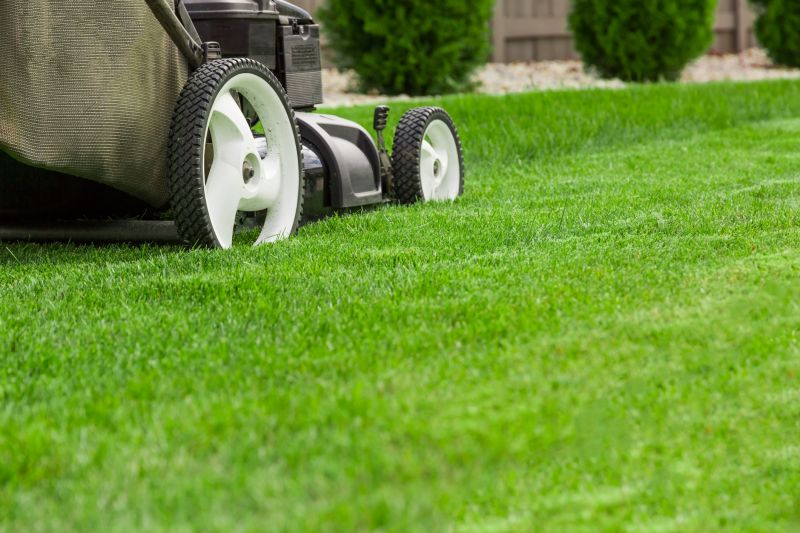
A frequent mistake in Lawn Mowings and how to dodge it.
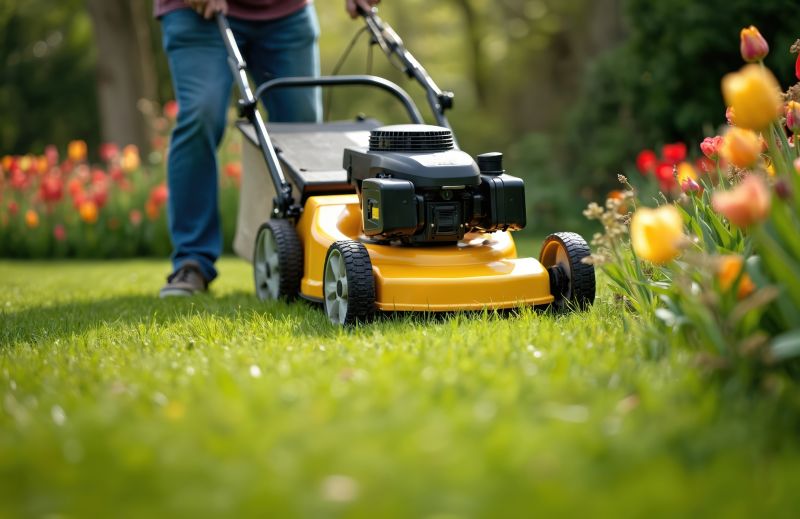
Small tweaks to make Lawn Mowings safer and easier to use.
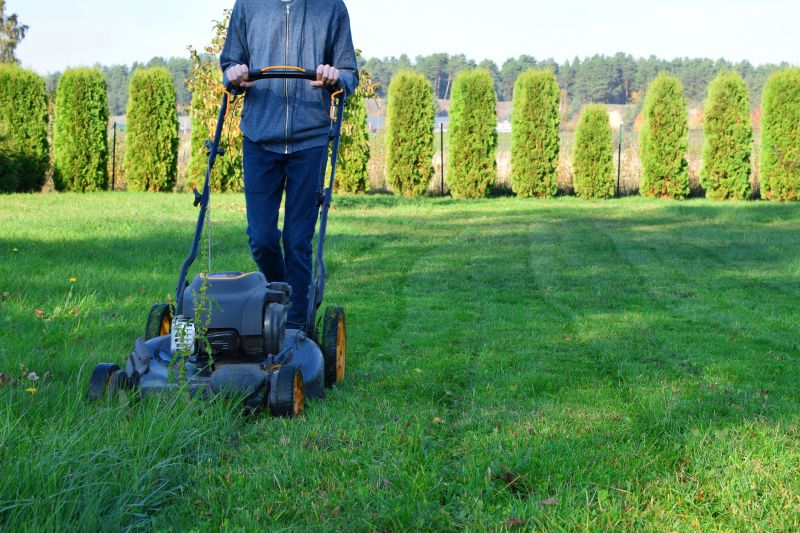
Lower-waste or water-saving choices for Lawn Mowings.
The short, realistic tool list for quality Lawn Mowings.
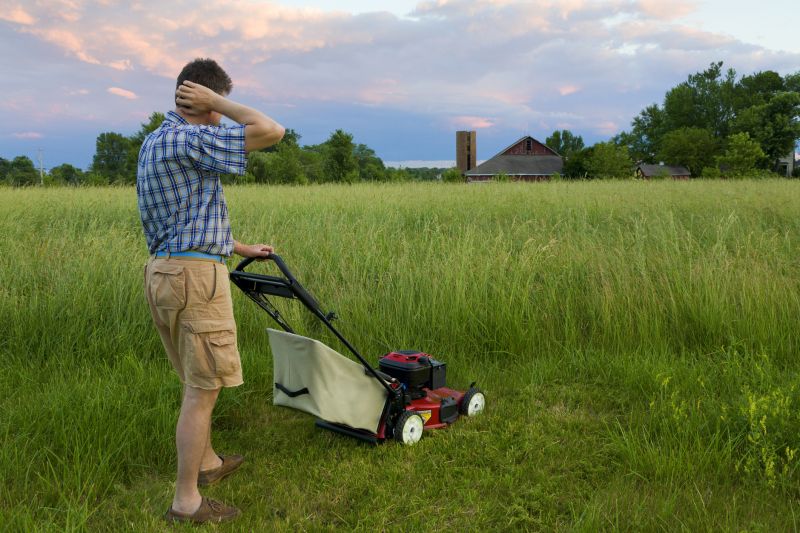
Rough timing from prep to clean-up for Lawn Mowings.
Quick checks and paperwork to keep after Lawn Mowings.
Interested in maintaining a well-kept lawn? Filling out the contact form can connect with professionals experienced in optimal mowing schedules and turf health management. Proper timing and techniques contribute to a vibrant, resilient lawn year-round.