
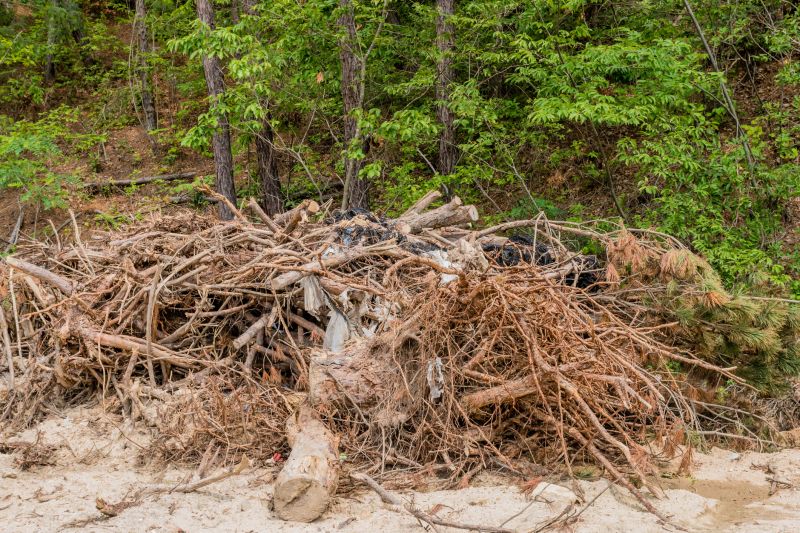
Tree Debris Removal in Honolulu, HI
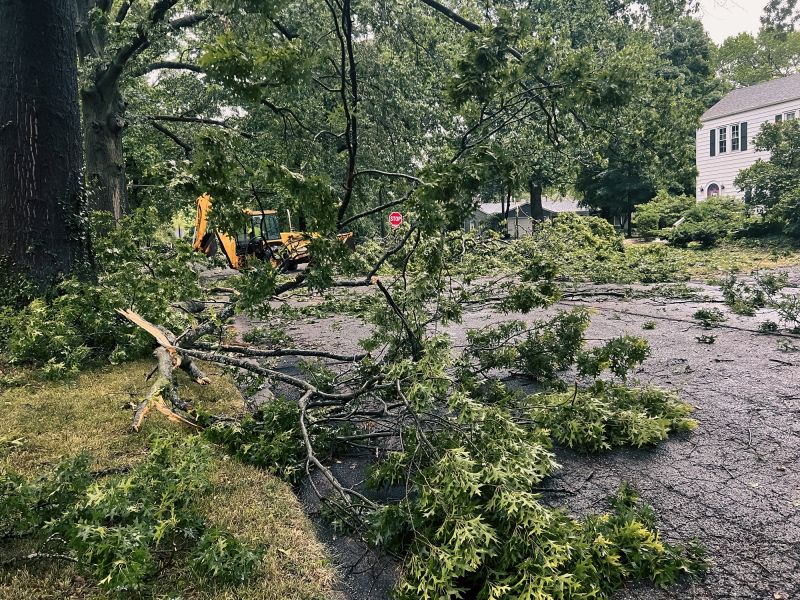
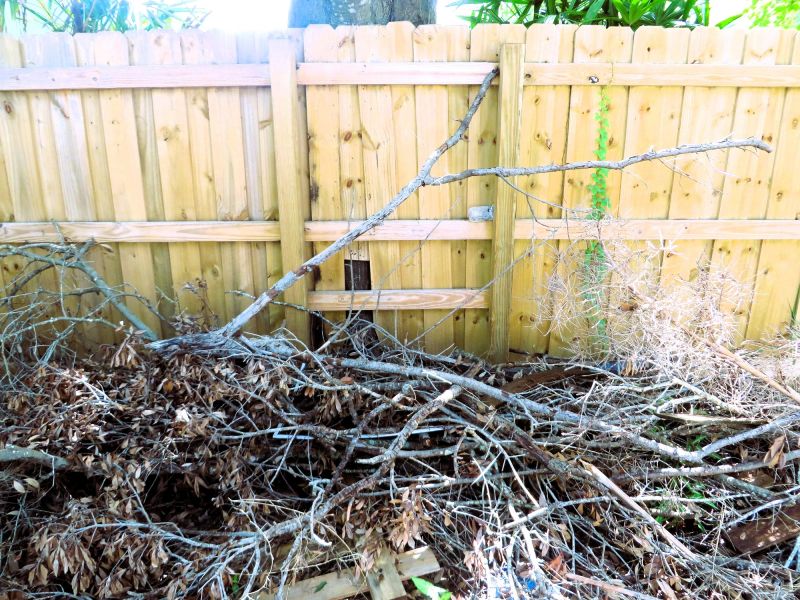
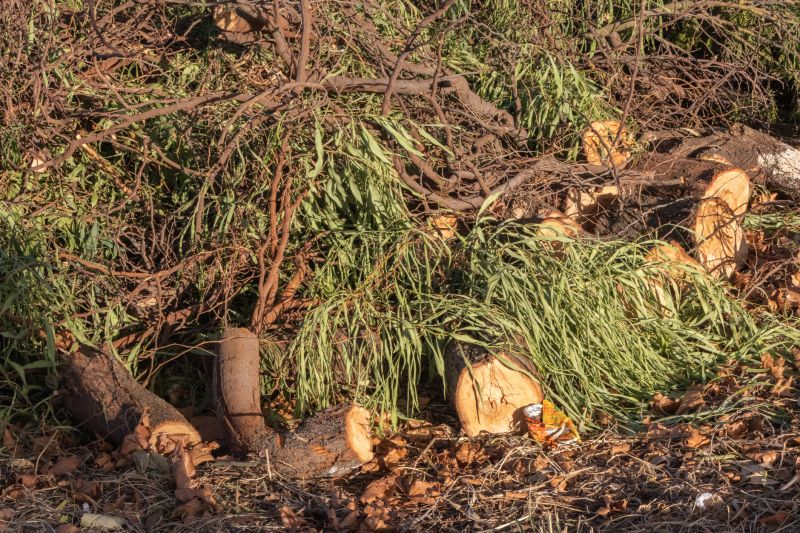
Tree debris removal services involve clearing away fallen branches, leaves, and other organic material resulting from storms, pruning, or general yard maintenance. This service covers a variety of projects, including cleanup after severe weather events, routine yard tidying, or preparing a property for landscaping or new plantings. Homeowners typically seek this service to maintain a tidy outdoor space, prevent potential hazards caused by debris accumulation, and improve the overall appearance of their property.
Before requesting tree debris removal, property owners often want to understand the scope of the cleanup, including what materials will be collected and how the debris will be disposed of. It’s also helpful to clarify whether the service includes removal of large branches or storm-damaged limbs, as well as any additional work like hauling away debris or pruning. Having a clear idea of the project’s extent can ensure the service meets specific needs and results in a safe, clean outdoor environment.
Many property owners in Honolulu, HI look into Tree Debris Removal for repairs, replacements, upgrades, and appearance-related improvements.
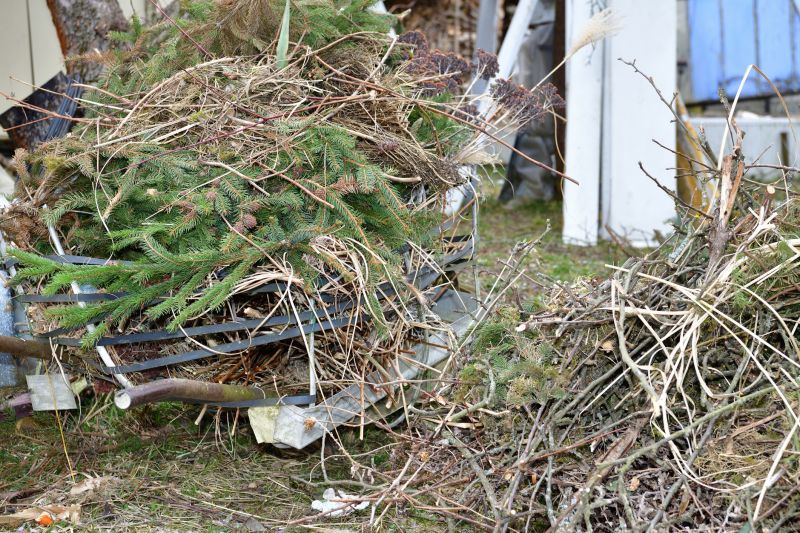
Tree Debris Removal Services
Examples of tree debris removal work property owners may explore in honolulu, hi.
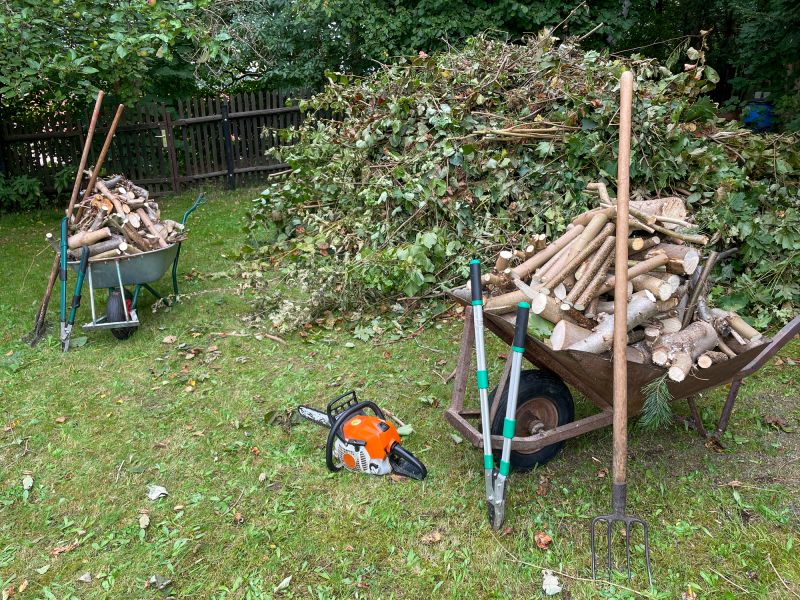
Tree Debris Removal Updates
Common ways people refresh, improve, or restore tree debris removal features in honolulu, hi.
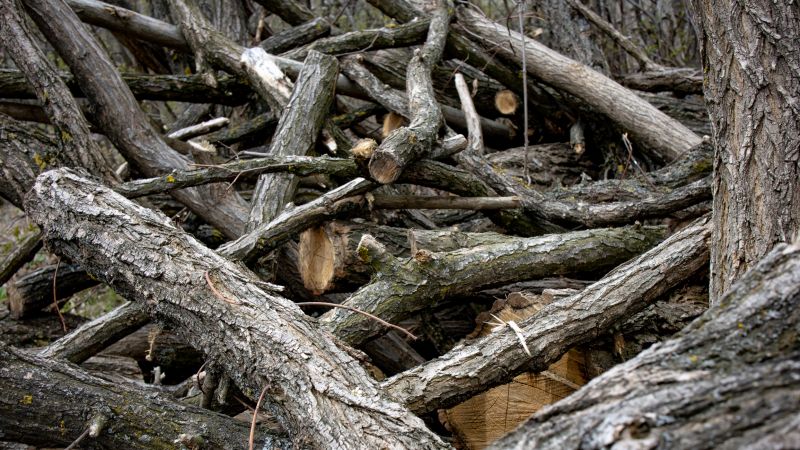
Tree Debris Removal Options
Different styles, layouts, and finishes people consider for tree debris removal in honolulu, hi.
Tree Debris Removal in Honolulu, HI

Tree debris removal services involve clearing away fallen branches, leaves, and other organic material resulting from storms, pruning, or general yard maintenance. This service covers a variety of projects, including cleanup after severe weather events, routine yard tidying, or preparing a property for landscaping or new plantings. Homeowners typically seek this service to maintain a tidy outdoor space, prevent potential hazards caused by debris accumulation, and improve the overall appearance of their property.
Before requesting tree debris removal, property owners often want to understand the scope of the cleanup, including what materials will be collected and how the debris will be disposed of. It’s also helpful to clarify whether the service includes removal of large branches or storm-damaged limbs, as well as any additional work like hauling away debris or pruning. Having a clear idea of the project’s extent can ensure the service meets specific needs and results in a safe, clean outdoor environment.
Many property owners in Honolulu, HI look into Tree Debris Removal for repairs, replacements, upgrades, and appearance-related improvements.
Common Tree Debris Removal Jobs
Tree debris removal services clear fallen branches, leaves, and other yard waste to keep properties tidy.
They handle the safe disposal of large limbs and storm-damaged tree parts.
Services include cleaning up after storms or pruning to prevent future debris buildup.
Removing tree debris reduces hazards and helps maintain a clean outdoor space.
Proper debris removal can improve curb appeal and overall landscape appearance.
Regular cleanup supports healthy tree growth and prevents pest infestations.
Tree Debris Removal Questions
What types of tree debris removal services are available? Services include clearing fallen branches, trimming overgrown limbs, and removing storm-damaged trees to keep properties safe and tidy.
When should tree debris removal be considered? It is recommended after storms, strong winds, or when tree limbs pose a risk to structures or pathways.
Is tree debris removal suitable for large or hazardous trees? Yes, specialized equipment and techniques are used to handle larger or hazardous tree debris safely.
What should property owners know before scheduling debris removal? It is important to assess the extent of debris and ensure clear access to affected areas for efficient removal.
Request Tree Debris Removal in Honolulu, HI
Use the quote form on this page to share the basics of your project and request more information for the type of work you need.