
Poison Ivy Removal in Delaware County, PA
Poison ivy removal services involve the safe and effective elimination of this invasive plant from residential properties. These services typically cover projects such as clearing overgrown areas, removing poison ivy from trees, fences, and ground surfaces, and restoring the safety of outdoor spaces. Property owners often seek this service to prevent skin irritation, allergic reactions, and to protect children, pets, and landscape investments from the spread of poison ivy.
Before requesting poison ivy removal, property owners should consider the size and location of the affected areas, as well as any nearby structures or vegetation. Understanding whether the plant is growing on the ground, climbing on trees or fences, or spreading across multiple zones can help determine the scope of work needed. Clear communication about the extent of the infestation and safety concerns can ensure the proper removal approach is taken to maintain a safe and healthy outdoor environment.
Many property owners in Delaware County, PA look into Poison Ivy Removal for repairs, replacements, upgrades, and appearance-related improvements.
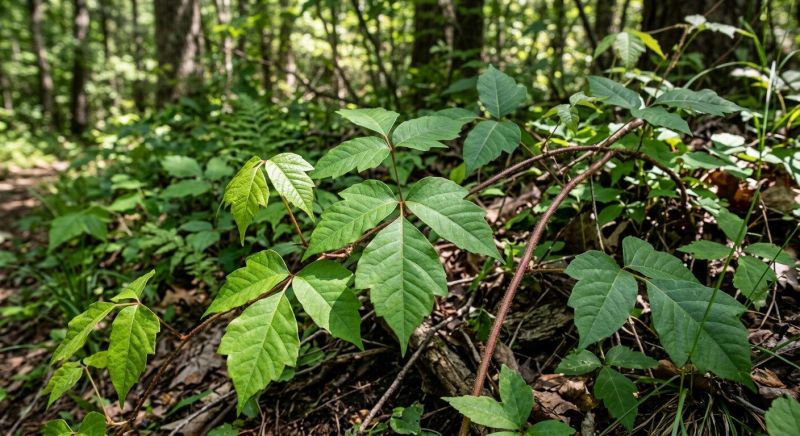
Identifying Poison Ivy
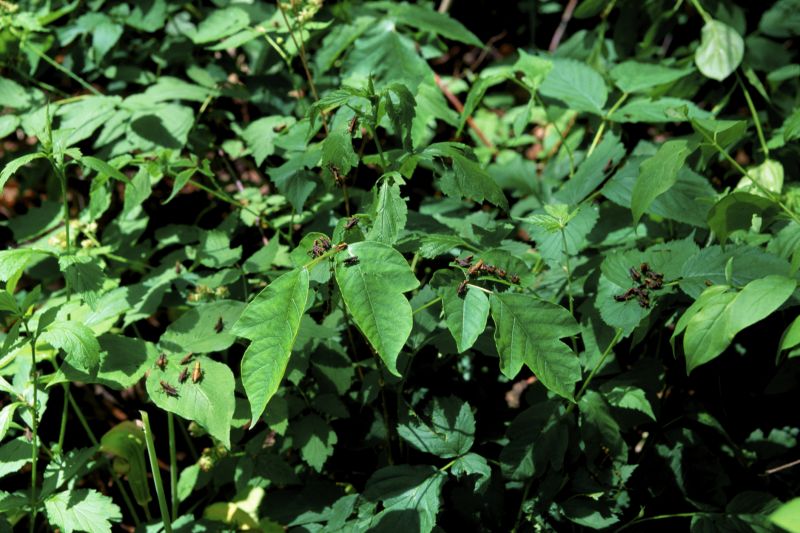
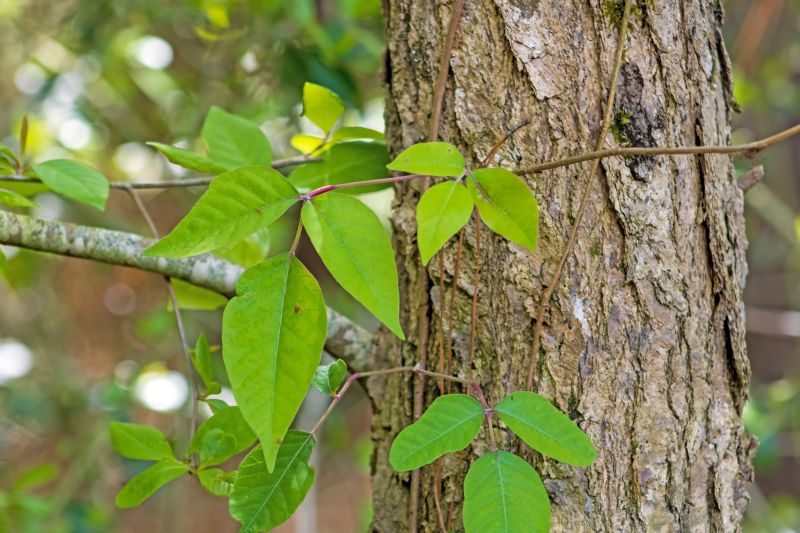
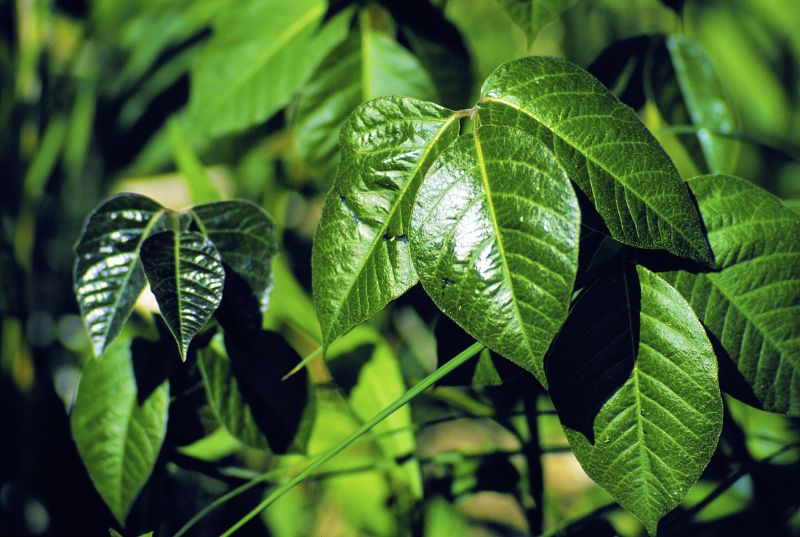
Recognizing poison ivy growth helps prevent skin irritation and property damage.
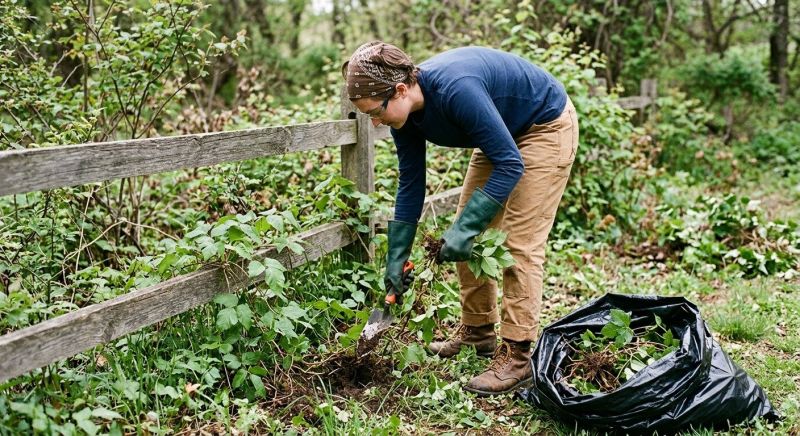
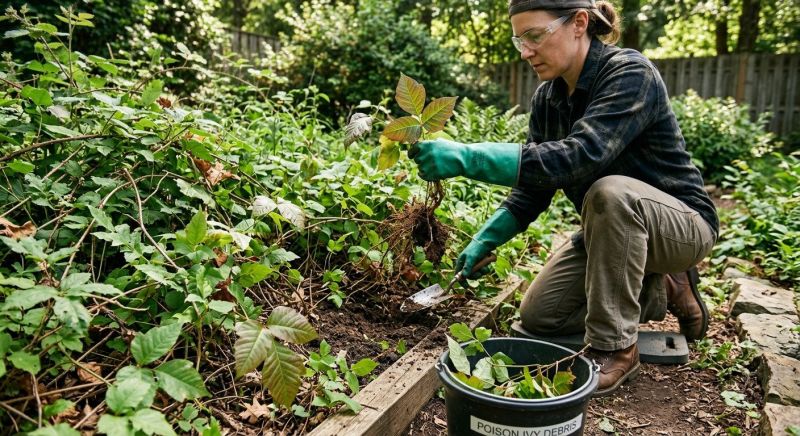
Safe Removal Methods
Proper techniques ensure the complete removal of poison ivy without spreading the plant.
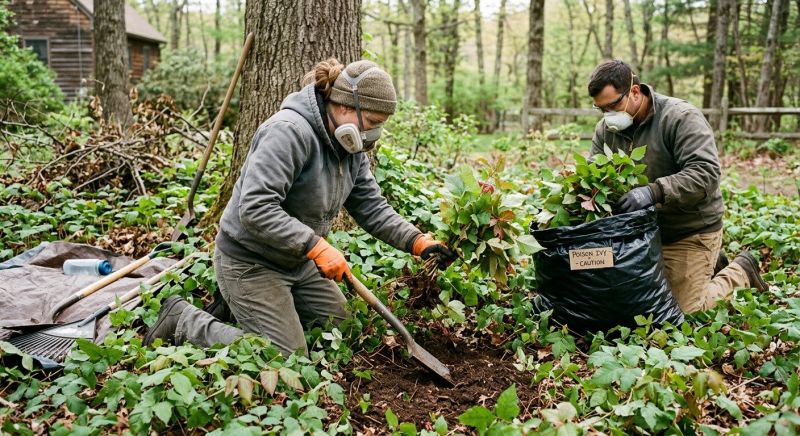
Property Protection
Removing poison ivy reduces risks for children, pets, and landscape health in delaware county homes.
Poison Ivy Removal in Delaware County, PA
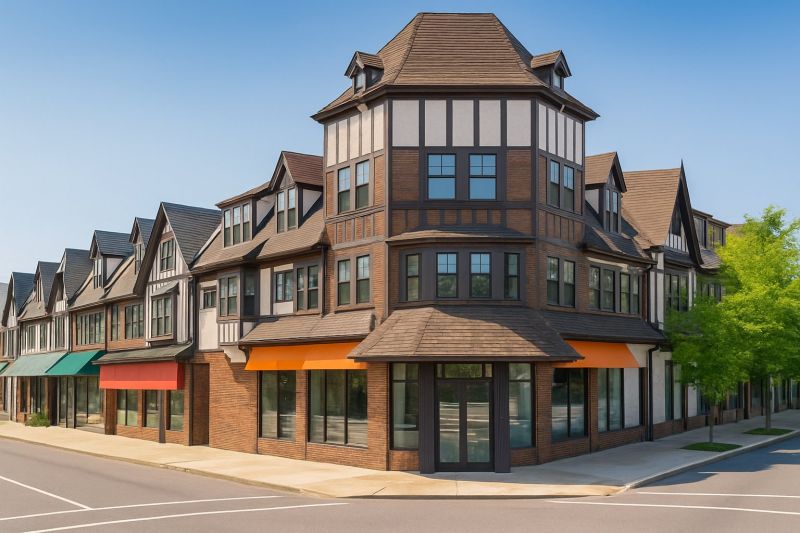
Poison ivy removal services involve the safe and effective elimination of this invasive plant from residential properties. These services typically cover projects such as clearing overgrown areas, removing poison ivy from trees, fences, and ground surfaces, and restoring the safety of outdoor spaces. Property owners often seek this service to prevent skin irritation, allergic reactions, and to protect children, pets, and landscape investments from the spread of poison ivy.
Before requesting poison ivy removal, property owners should consider the size and location of the affected areas, as well as any nearby structures or vegetation. Understanding whether the plant is growing on the ground, climbing on trees or fences, or spreading across multiple zones can help determine the scope of work needed. Clear communication about the extent of the infestation and safety concerns can ensure the proper removal approach is taken to maintain a safe and healthy outdoor environment.
Many property owners in Delaware County, PA look into Poison Ivy Removal for repairs, replacements, upgrades, and appearance-related improvements.
Common Poison Ivy Removal Jobs
Poison Ivy Removal - safe and effective clearing of poison ivy from residential and commercial properties.
Yard Clearing - removal of poison ivy from lawns, gardens, and landscape beds.
Property Maintenance - ongoing control to prevent poison ivy regrowth on outdoor spaces.
Trail and Pathway Clearing - removal of poison ivy along walkways and recreational trails.
Fence Line and Boundary Clearing - eliminating poison ivy from property borders and fencing areas.
Hazardous Plant Removal - addressing poison ivy growth in hard-to-reach or hazardous locations.
Poison Ivy Removal Questions
What is poison ivy removal? Poison ivy removal involves safely eliminating the plant from a property to prevent skin irritation and other health risks.
When should poison ivy be removed? Removal is recommended when poison ivy is growing in areas accessible to people or pets, especially near outdoor living spaces.
Does poison ivy removal require special tools? Yes, specialized tools and protective gear are typically used to safely remove and dispose of poison ivy plants.
What are common areas for poison ivy growth? Poison ivy often grows along fences, in wooded areas, near shrubs, and along pathways or garden beds.
Request Poison Ivy Removal in Delaware County, PA
Use the quote form on this page to share the basics of your project and request more information for the type of work you need.